
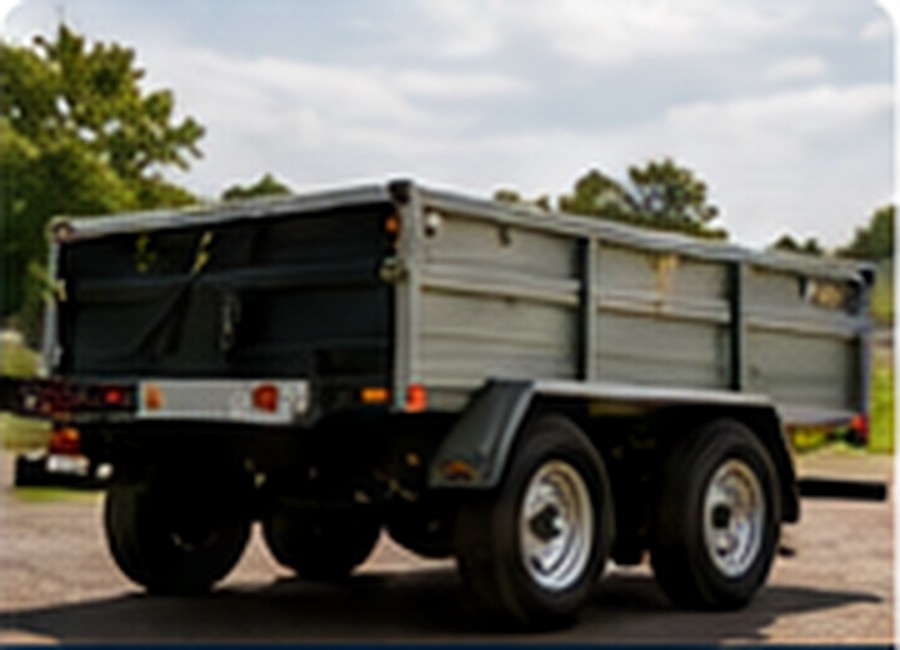
Hiring ute can make sense when you need the capability for a short project without taking on the purchase, storage and maintenance commitment. The best choice starts with the job—not the headline day rate.
What ute is useful for
A ute is useful for smaller loads that need an open tray or easy loading access.
- Hardware pickups
- Garden supplies
- Small furniture
- Trade jobs
How to choose the right one
Before comparing suppliers, note the job conditions and the capacity that matters. Pay particular attention to:
Secure light bulky items carefully; open-tray loads can create wind lift even when they are well within payload.
What affects the hire cost?
Advertised day rates are only part of the total. Ask for a quote that includes the full period and the extras you actually need.
- Vehicle class
- Kilometres
- Fuel
- Insurance
Before you book
Measure access
Confirm access, dimensions, job quantity and the maximum capacity you need.
Check accessories
Ask what is included and which bits, blades, hoses, straps, leads or consumables are extra.
Plan transport
Confirm weight, loading and whether you can collect safely or should arrange delivery.
Know the return terms
Check fuel, cleaning, damage and return-time conditions before the hire starts.
Hire or buy?
Hiring is often strongest for occasional, specialised, bulky or maintenance-heavy equipment. Buying becomes more attractive when you use the item frequently, can store it easily and the purchase price is low relative to repeat hire.
Compare hire vs buyQuestions to ask a hire supplier
- Is this the right capacity for my actual job?
- What accessories and consumables are included?
- What deposit, bond, waiver or excess applies?
- What condition must it be returned in?
- Can it be delivered, and what access does delivery require?
- What happens if the job runs longer than planned?